Flat-Seamed Balls: Curse or Cure?
By Ken Brelage·

Who remembers the 2011 season when the BBCOR regulation bats were first required? What an impact that decision had for college & high school offensive numbers. We saw those numbers take a dive, and with it went part of the excitement of the game. It's debatable, I know, but with home run numbers in decline, I guess they felt it was time to change things up again.
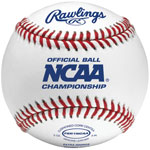
So...they introduced the flat-seamed ball in hopes to increase the number of runs, while maintaining the balance of that All-American game we all love to watch. The Division I Baseball Committee voted unanimously to switch from the raised-seam baseball currently used during the NCAA Tournament, to a flat-seamed ball. Conferences won't be required to use the flat-seamed ball during the regular season, but all of them do expect to adopt the new ball in 2015 for preparation of the postseason.
As far as Division II & D-III Committees, they must make their own decisions about whether or not to change balls. No final word on that yet, as they are still surveying their coaches. The flat-seamed ball travels an average of 20 feet farther when tested using a pitching machine set to simulate typical home run conditions. The ball was shot from the machine at 95 mph with a spin rate of 1400 RPM and a 25 degree launch angle. This test shows that the drag effect is real, and that the longer a ball travels, the greater the drag effect. That's a significant finding, and the difference in distance between the two balls increases the harder a ball is hit. In spite of all this, the seams will not affect bat-exit velocity, and that means player safety will not be compromised due to the switch over.
Rawlings, the NCAA's official supplier of the championship baseballs, will be challenged with the timely manufacturing and distribution of the new baseballs using the new specifications. How this new ball will affect pitchers is yet to be seen. There will obviously have to be an adjustment to the new seams. This could make it harder for pitchers to spin breaking balls, but could lead to more movement on low-seamed balls. The jury is out and court is in recess until next season. No matter what happens, I'm sure we can all expect to see a bit more excitement at the ball park next season. So get your baseball cap ready and we'll see you there.